
In today’s world, vehicle trackers are essential tools for ensuring the safety and security of our vehicles. Whether you’re looking to protect your car, fleet, or valuable assets, vehicle trackers provide a sense of security. But as technology evolves, so do the tactics used by thieves. One of the common concerns that arise is whether or not these trackers can be jammed. In this blog, we will explore the impact of signal jamming on vehicle trackers, the role of anti-jamming technology, and how you can protect your vehicle from being compromised.
Understanding Signal Jamming in Vehicle Tracking
Signal jamming is the process of blocking or interfering with the communication between a vehicle tracker and its signal source, such as GPS satellites or mobile networks. This is achieved using a jamming device that disrupts the frequency at which the tracker sends or receives data. In simple terms, jammers send out radio signals that overpower the signals from your tracker, preventing it from transmitting its location.
The effectiveness of jamming devices depends on the type of tracker in use. While basic GPS trackers may be vulnerable to jamming, more sophisticated models have built-in resistance to these kinds of threats. Jamming can affect both GPS and GSM-based tracking systems, leaving vehicles undetected if the jammer is strong enough.
However, it’s important to note that not all vehicle trackers are susceptible to jamming. Modern trackers are designed with countermeasures that mitigate the effects of jamming, ensuring that your vehicle remains trackable even if attempts are made to block its signal.
VHF Technology: A Robust Solution Against Jamming
One of the most reliable solutions to counter signal jamming is VHF (Very High Frequency) technology. VHF technology operates on a different frequency range than traditional GPS and GSM-based systems, making it far more difficult to jam. Unlike GPS, which relies on satellite signals, VHF uses ground-based radio stations to track vehicles, providing a more robust and secure method of communication.
VHF tracking has several significant advantages:
- Resistance to Jamming: Since VHF operates on a different frequency range, it is much less susceptible to interference from jamming devices.
- Enhanced Accuracy: VHF trackers can deliver more accurate real-time location data, making them ideal for tracking high-value vehicles or valuable assets.
- Coverage in Difficult Environments: VHF signals can work in environments where GPS signals might struggle, such as underground or in containers, providing more comprehensive tracking.
The introduction of VHF technology into vehicle tracking systems has revolutionised vehicle security, offering a higher level of protection than traditional GPS and GSM trackers. This is particularly important for vehicle owners who are concerned about the risk of theft and the effectiveness of their tracking systems.
Insurance-Approved Trackers and Their Resistance to Jamming
Insurance-approved vehicle trackers are designed to meet stringent security standards and are recognised by insurance providers. These trackers often come with advanced features that improve their resistance to jamming. Many insurance companies now require vehicle owners to install approved trackers as part of their policy, especially for high-value or high-risk vehicles.
These trackers typically include several features that help resist jamming:
- Multi-Network Communication: Modern insurance-approved trackers use multiple communication networks (such as GPS, GSM, and VHF) to transmit location data. This ensures that even if one network is compromised, others can still maintain communication.
- Real-Time Alerts: Most insurance-approved trackers send alerts if any attempt to interfere with the device is detected, such as a signal loss or tampering. This immediate notification allows vehicle owners to take quick action.
- Automatic Driver Recognition (ADR): Some trackers include ADR technology, which detects when the key fob or smartphone of the vehicle owner is nearby. If a relay attack is attempted, the tracker will automatically send a warning alert to the owner.
The key benefit of using an insurance-approved tracker is that it not only provides peace of mind but also ensures that your vehicle has the best chance of being recovered in the event of theft, even if jamming attempts are made.
Advanced Anti-Jamming Features in Modern Trackers
Modern vehicle trackers come equipped with advanced anti-jamming features that offer enhanced protection against signal disruption. These features include:
- Signal Monitoring: Anti-jamming trackers constantly monitor their signals and can detect any irregularities in the communication channels. If a jamming device is detected, the tracker sends out an alert to the control centre or directly to the vehicle owner.
- Dual-Mode Communication: Many advanced trackers use both GSM and GPS communication technologies. This dual-mode system ensures that if one signal is blocked, the tracker can still use the other to transmit data.
- VHF Technology: As mentioned earlier, VHF technology is resistant to jamming. Some of the most advanced trackers, like the S7 Tracker Locate, incorporate VHF technology, providing an additional layer of protection against jamming attempts.
- Geofencing and Real-Time Monitoring: Trackers with geofencing capabilities allow vehicle owners to set up virtual boundaries around their vehicles. If the vehicle crosses this boundary, an alert is triggered. In combination with real-time monitoring, this feature helps ensure that you’re always aware of your vehicle’s location, even in the event of signal interference.
These anti-jamming features make modern trackers incredibly reliable, offering peace of mind to vehicle owners by ensuring that their cars can be located and recovered even if jammers are used.
Best Practices to Protect Your Vehicle from Signal Jamming
While technology plays a significant role in protecting your vehicle from signal jamming, there are also steps you can take as a vehicle owner to further safeguard your car:
- Choose a Tracker with Anti-Jamming Features: Invest in a tracker that includes anti-jamming capabilities, such as those with VHF technology or multi-network communication.
- Regularly Check Your Tracker’s Functionality: Test your tracker periodically to ensure it’s working correctly. Many modern trackers offer an app or online platform that allows you to monitor your vehicle’s location in real time.
- Install a GPS and VHF Tracker: For the highest level of protection, choose a tracker that combines GPS and VHF technology. This combination ensures that your vehicle remains trackable even if one signal is blocked.
- Use a Secure Location for Parking: Whenever possible, park your vehicle in secure, well-lit areas. Avoid parking in isolated locations where thieves could tamper with your tracker without being noticed.
By following these best practices, you can significantly reduce the chances of your vehicle being compromised by signal jamming.
Conclusion: Enhancing Vehicle Security with Anti-Jamming Trackers
Signal jamming is a real threat to vehicle security, but modern vehicle trackers are designed to counteract these risks. By investing in an anti-jamming tracker, such as those featuring VHF technology or multi-network communication, you can ensure that your vehicle remains trackable even if attempts are made to block the signal.
In addition to choosing a reliable tracker, following best practices and regularly testing your device will further enhance your vehicle’s security. With advanced tracking systems, you can rest assured that your vehicle is protected, and in the event of theft, the chances of recovery remain high.
FAQs
Q1: Can all vehicle trackers be jammed?
While many older or simpler vehicle trackers can be jammed, modern trackers with anti-jamming features, such as VHF technology, are much harder to block.
Q2: How does VHF technology help prevent jamming?
VHF technology operates on a different frequency range, making it less susceptible to interference from jamming devices. This provides an additional layer of security for your vehicle.
Q3: Are there any vehicle trackers that can’t be jammed?
The S7 Tracker Locate is an example of a vehicle tracker that uses VHF technology, making it resistant to jamming attempts. These advanced trackers offer the highest level of security.
Q4: What should I do if my vehicle tracker stops working?
If your tracker stops working, it’s important to test its functionality regularly and contact the tracking provider to resolve any issues. Most modern trackers offer real-time monitoring through an app.
Q5: Are vehicle trackers expensive?
While some trackers can be costly, there are options available to suit different budgets. Trackers with anti-jamming features, like the S7 Tracker Monitor, provide excellent value for the level of protection they offer.
Yes, vehicle trackers are legal for personal use on vehicles that you own. However, using a tracker on a vehicle you do not own or without consent is illegal.

steve@apex-marketing-solutions.co.uk

The Future of Vehicle Security
Protecting Your Car Today Imagine walking out of your home on a normal morning, reaching for your car keys and finding an empty parking space.
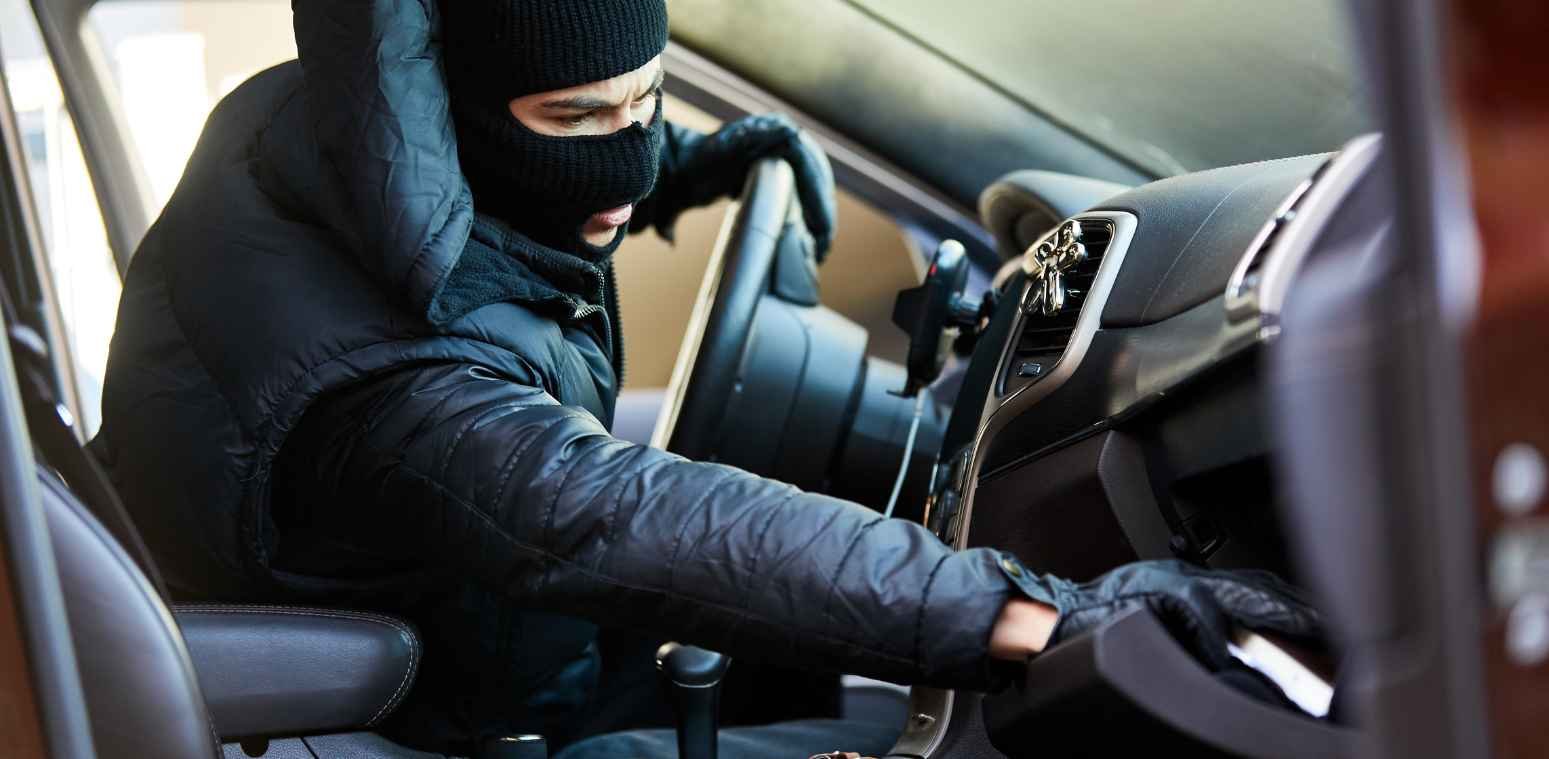
Top 10 Ways To Prevent Car Theft In The UK In 2026
Car theft remains a serious concern for vehicle owners across the UK. While manufacturers continue to improve vehicle security, criminals are also adopting more sophisticated
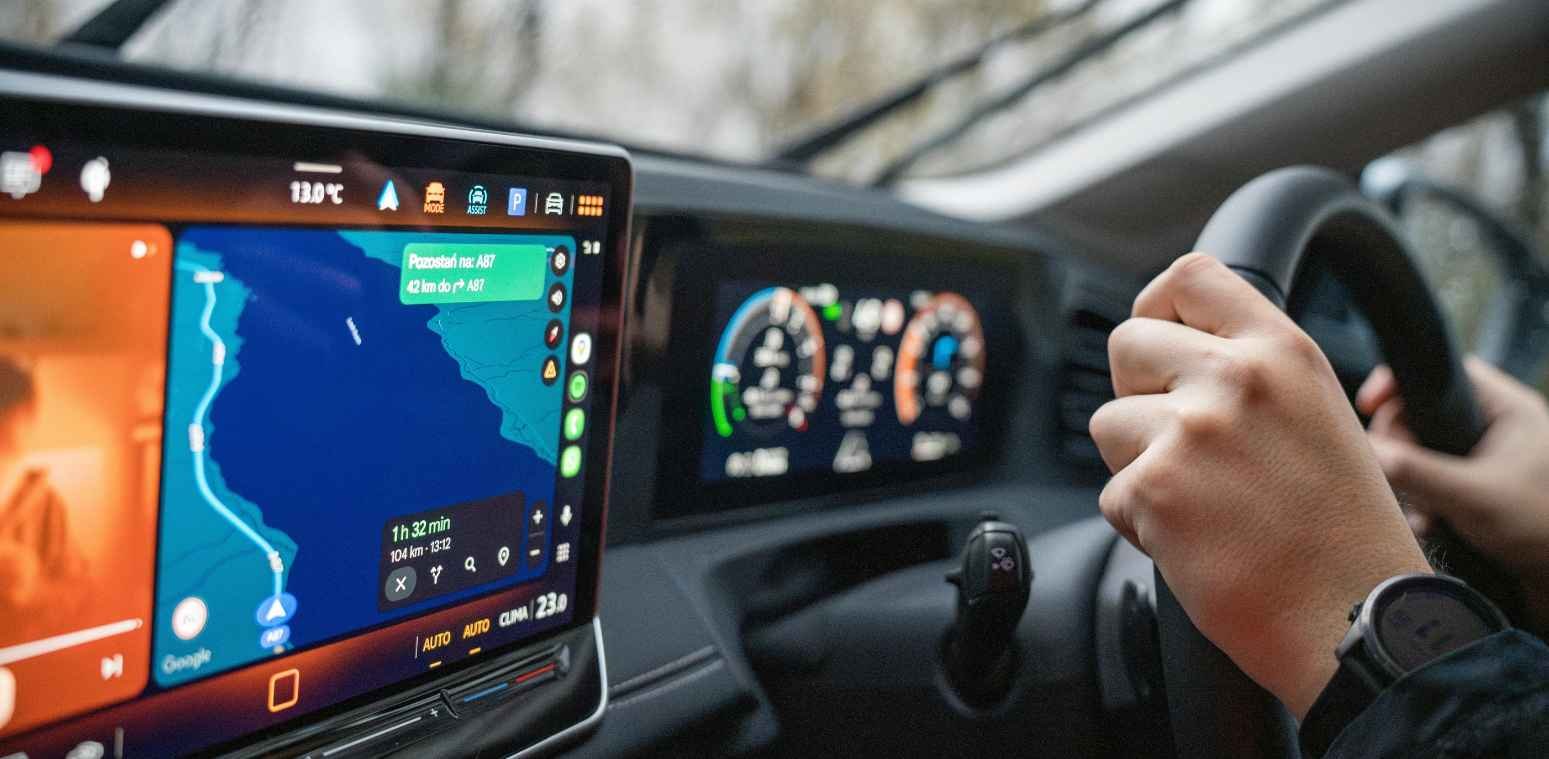
Steps To Install A GPS Tracking Solution In A Vehicle
A GPS tracking solution is one of the most effective ways to improve vehicle security, monitor driving activity, and maintain visibility over valuable assets. Whether