
Introduction
If your car alarm randomly goes off at night, it can be more than an inconvenience. A noisy alarm disturbs sleep, frustrates neighbours and creates confusion about whether your vehicle is genuinely at risk. While car alarms are designed to protect your vehicle from theft and tampering, faults within the system can turn a security feature into a nightly nuisance.
This guide explains why a car alarm keeps going off for no clear reason, the common faults you should check, and the steps you can take to prevent false alarms and improve your overall vehicle security.
Why Does Your Car Alarm Keep Going Off at Night
Modern vehicle alarms are built to detect unauthorised access, attempted theft and unusual movement around the vehicle. They rely on sensors, electrical signals and programmed responses. When everything is working as intended, the system alerts you to genuine risks.
However, alarms can trigger even when nothing is wrong. This usually happens because one or more components are misreading information or sending signals at the wrong time. Environmental changes, electrical disturbances, weak batteries and ageing parts can all cause false triggers. Understanding the root cause is the key to solving the problem, preventing disturbance and ensuring your vehicle remains properly protected.
Common Causes of False Car Alarms
Overly Sensitive Shock or Motion Sensors
Many modern alarms include shock or motion sensors that detect vibrations around the vehicle. If the sensitivity level is set too high, small movements such as strong winds, a passing vehicle or even an animal brushing against the car can set the alarm off unexpectedly.
Low or Failing Car Battery
A weak car battery can cause voltage fluctuations. When voltage drops below a safe level, the system may interpret it as interference, leading to false alarms. If your car struggles to start, headlights dim or you notice slow electrical functions, the battery might be the culprit.
Faulty Door, Bonnet or Boot Sensors
Car alarms rely heavily on sensors that detect whether entry points are securely shut. Loose latches, worn-out seals or damaged contact points can send incorrect signals to the alarm system, making it think a door or panel has been opened.
Electrical or Wiring Issues
Corroded wiring, loose connections and moisture damage can all cause unpredictable alarm behaviour. A damaged wiring harness may create short circuits or incomplete signals that trigger the alarm without warning.
Key Fob Malfunction
A faulty key fob or one with a low battery may send incomplete or random signals to the alarm. Interference from nearby electronics can also cause your key fob to act unpredictably, affecting the alarm’s behaviour.
Interference from Nearby Electronic Devices
Radio frequency interference from Wi-Fi routers, mobile masts, or even other vehicle key fobs may disrupt communication between your car and the alarm control unit.
Environmental Factors
Strong winds, thunderstorms, freezing temperatures or heavy rain can affect exterior sensors and pressure monitors. If the weather is clear, this is one of the easiest causes to eliminate from your list.
How to Troubleshoot a Faulty Car Alarm
If your car alarm randomly goes off at night, working through a step by step checklist can help identify the problem.
Check the Battery
Use a multimeter to test your car battery. If the voltage reads below 12.4 volts, it may need charging or replacing.
Inspect Alarm Sensors
Check that the door latches, bonnet and boot are closing properly. Look for loose fittings, dirt or debris that might affect contact points.
Adjust the Sensitivity
If your alarm system allows sensitivity control, try lowering it. Reducing the level can help prevent false triggers from minor vibrations.
Examine Key Fob Functionality
Replace the battery inside the fob and check if the buttons are sticking. Store your key fob away from other electronic devices at night to avoid interference.
Look for Wiring Issues
Inspect accessible wiring for corrosion, broken insulation or signs of moisture. If you are not confident working with electrical components, professional assistance is recommended.
Disconnect and Reconnect the Alarm System
Resetting the system can sometimes fix temporary glitches. Consult your vehicle manual for the correct procedure to avoid disabling essential safety features.
If none of these steps resolve the issue, the alarm system may be outdated or faulty and replacement may be the most effective option.
When to Adjust Alarm Sensitivity Settings
If your alarm is reacting to minimal movement, adjusting sensitivity could resolve the issue. You can do this by:
- Checking your alarm manual for sensor adjustment guidance
- Using a diagnostic tool or app if your system supports software control
- Manually turning down the shock sensor dial if you have an aftermarket alarm
Reducing the sensitivity lowers the chances of false alarms while still protecting your vehicle from genuine threats.
Best Ways to Deter Vehicle Theft
While dealing with a faulty alarm is frustrating, ensuring your overall security remains strong is essential. These measures can reduce the risk of theft:
Park in well lit areas where suspicious activity is easier to spot.
Use a steering wheel lock to provide visible deterrence.
Install a GPS tracker to improve chances of recovery if your car is stolen.
Upgrade to a modern immobiliser to prevent the engine starting without authorisation.
Avoid leaving valuables on display inside the vehicle.
Preventing False Car Alarms in the Future
To minimise the chances of your car alarm going off at night:
Inspect and clean alarm sensors regularly to remove dirt and debris.
Keep your key fob in a secure location to avoid electronic interference.
Maintain your car battery by checking voltage and monitoring signs of wear.
Upgrade an older alarm system to modern equipment with better stability and sensor accuracy.
Routine care helps reduce false triggers and keeps your alarm operating reliably.
Upgrading to a More Reliable Car Security System
If false alarms continue even after troubleshooting, it might be time to upgrade to a more advanced car security system. Modern alarms offer:
Adaptive sensitivity controls that automatically adjust to prevent false triggers.
Silent mode with mobile alerts to keep you informed without disturbing neighbours.
GPS tracking for real time vehicle monitoring.
Ghost immobilisers that prevent key cloning and unauthorised access.
Upgrading to newer technology ensures better protection with fewer disruptions and improves the overall reliability of your vehicle security.
How Car Specialist Customs Can Help with Car Alarm Repairs
If your car alarm is going off at night and you are unsure where to start, Car Specialist Customs can help. Our team offers professional diagnostics, reliable repairs and complete security upgrades.
We provide advanced vehicle tracking systems, ghost immobilisers, modern alarm installations and high quality security enhancements. Whether you need a new alarm, repairs or a full security upgrade, we can help you protect your vehicle with confidence.
For expert assistance, reach out to Car Specialist Customs to book a diagnostic check or discuss your security options.
Conclusion
A car alarm that randomly goes off at night is usually caused by sensor faults, battery issues or electrical problems. By checking your battery, inspecting sensors, adjusting sensitivity and maintaining your alarm system, you can reduce false triggers and restore peace of mind.
If the problem persists, upgrading to a modern security system may offer a long term solution, ensuring your car stays protected without unnecessary nightly disturbances.
Car owners who want reliable protection and fewer false alarms should take action early and seek professional support when needed.
FAQs
Why does my car alarm go off unexpectedly at night
This usually happens due to faulty sensors, battery issues, wiring problems or environmental triggers.
Can a weak battery set off my car alarm
Yes, low voltage can cause the alarm system to misread signals and trigger falsely.
How do I stop my alarm going off for no reason
Check the battery, inspect sensors, lower sensitivity and reset the system. If issues continue, consider replacing the alarm.
When should I replace my car alarm
If you have frequent false alarms even after troubleshooting, or if the system is outdated, replacement may be the best option.
Do upgraded security systems reduce false alarms
Yes, modern systems with adaptive sensitivity and advanced sensors significantly reduce false triggers.t is illegal.

steve@apex-marketing-solutions.co.uk

The Future of Vehicle Security
Protecting Your Car Today Imagine walking out of your home on a normal morning, reaching for your car keys and finding an empty parking space.
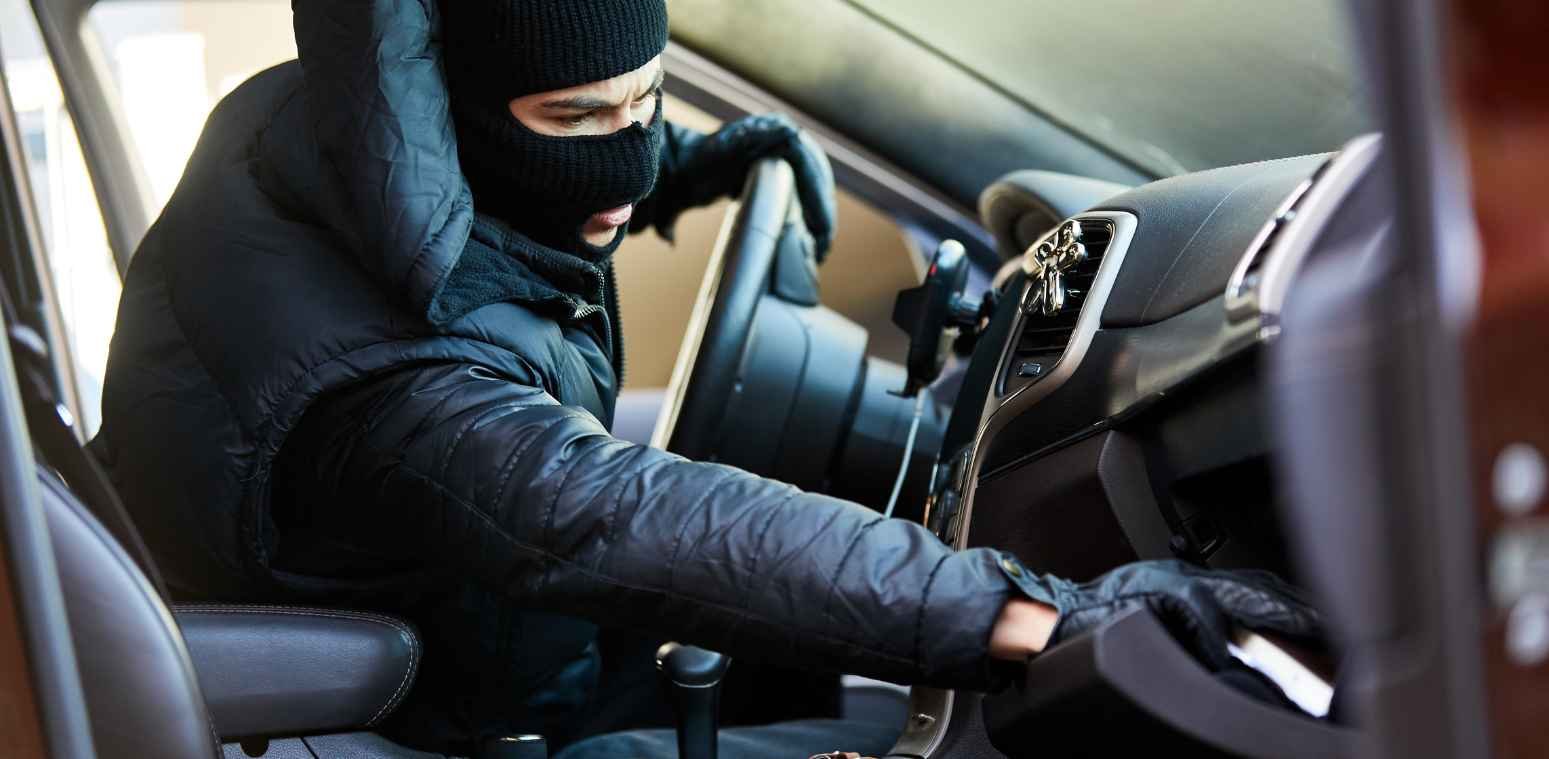
Top 10 Ways To Prevent Car Theft In The UK In 2026
Car theft remains a serious concern for vehicle owners across the UK. While manufacturers continue to improve vehicle security, criminals are also adopting more sophisticated
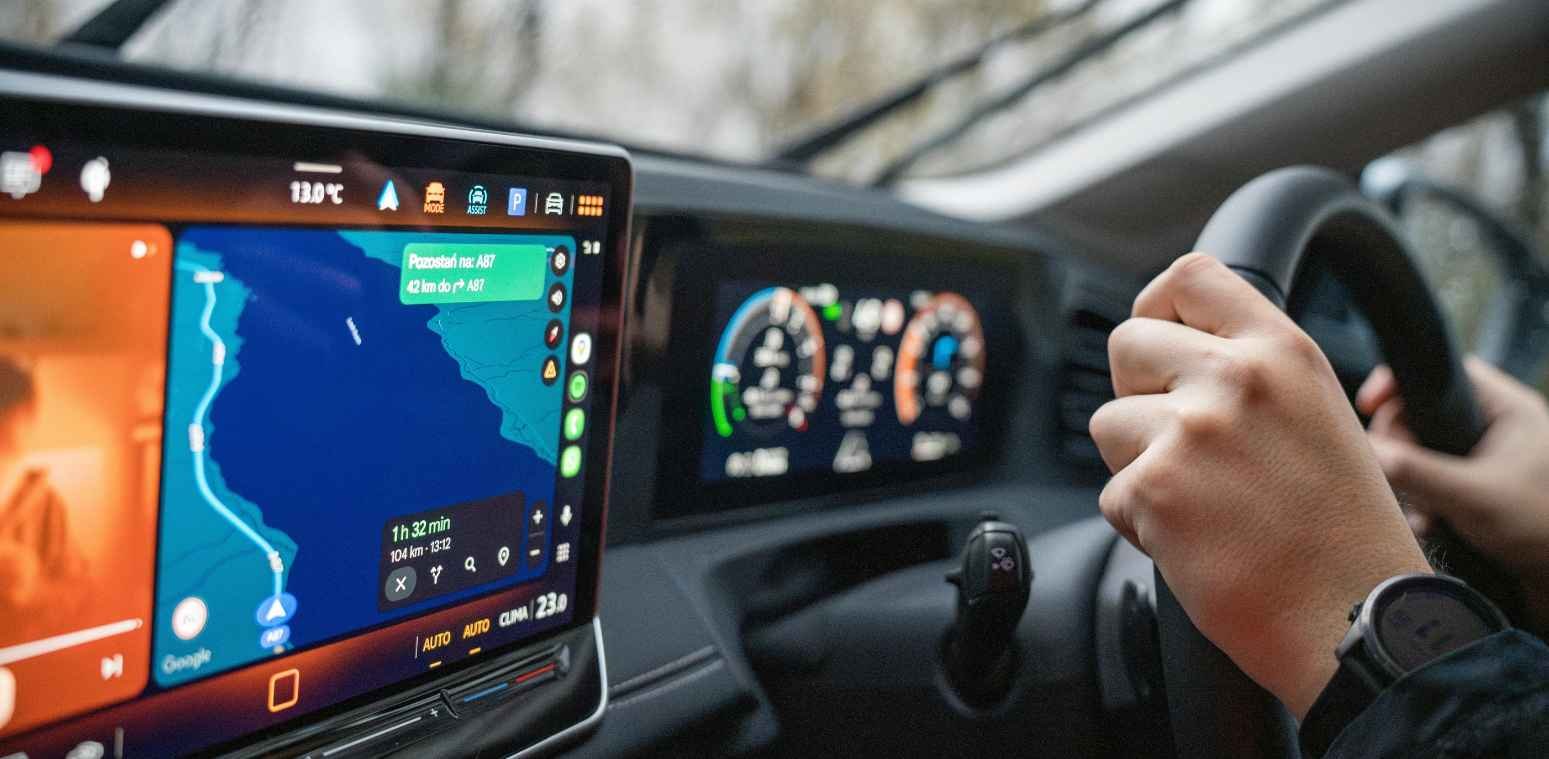
Steps To Install A GPS Tracking Solution In A Vehicle
A GPS tracking solution is one of the most effective ways to improve vehicle security, monitor driving activity, and maintain visibility over valuable assets. Whether