
Introduction
When it comes to protecting your vehicle, many owners assume that the built in tracking system supplied by the manufacturer is enough. Modern cars often come with connected services, remote access apps and even vehicle location features. On the surface, this can feel reassuring.
However, when comparing a GPS tracker vs factory installed tracking systems, the differences become clear. Understanding how each system works, and more importantly what each is designed to do, is essential for proper vehicle security and theft recovery.
This article compares factory fitted tracking systems and aftermarket GPS trackers, looking at security strength, monitoring, insurance compliance and real world protection. By the end, you will have a clear view of which solution best suits your security needs.
1. What Are Factory Installed Tracking Systems?
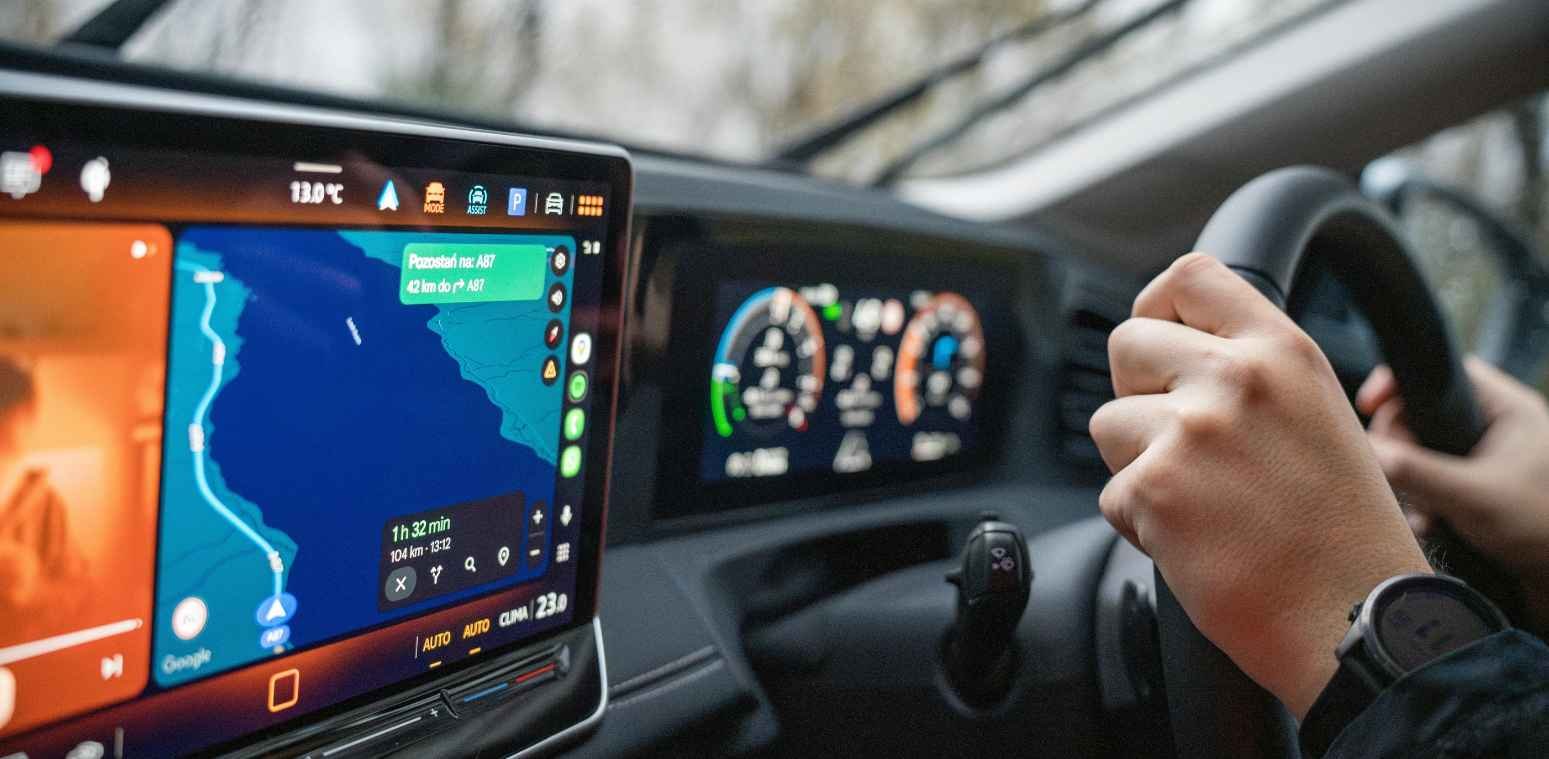
Factory installed tracking systems are built in by the vehicle manufacturer at production stage. These are often part of a wider connected car package designed to improve convenience and driver experience.
Many well known car brands offer systems that allow owners to interact with their vehicle through a smartphone app. Typical features include:
- Remote locking and unlocking
- Checking fuel level and vehicle status
- Sending destinations to the navigation system
- Pre heating or cooling the cabin
- Locating the car in a busy car park
Some systems also include emergency call features that alert services in the event of a collision.
While these factory installed tracking systems may include a stolen vehicle tracking function, security is often not their primary purpose. They are designed mainly for convenience and connectivity rather than serious theft protection.
2. Limitations of Factory Installed Systems
Although factory fitted systems appear advanced, they have several important limitations when it comes to vehicle security.
Firstly, they are standardised. Every vehicle of the same model typically has the tracking module installed in the same location. This uniformity creates predictability. Criminals who specialise in certain makes and models quickly learn where the system is located and how to disconnect it.
Organised theft groups often share technical information. In some cases, thieves can disable factory installed tracking systems in a very short time by accessing known points within the vehicle.
Secondly, these systems are rarely designed as dedicated anti theft solutions. Their focus is convenience. Features like remote cabin control or service reminders do not strengthen theft recovery capability.
Another weakness is the lack of professional monitoring. Most factory systems simply send a notification to the owner if unusual activity is detected. The responsibility then falls on the driver to contact the police and manage the situation. This delay can reduce the chances of successful recovery.
When evaluating a GPS tracker vs factory installed tracking systems, it becomes clear that factory solutions prioritise lifestyle features over robust security.
3. What Are Aftermarket GPS Trackers?
Aftermarket GPS trackers are independent vehicle tracking devices installed after purchase. Their sole purpose is security and theft recovery.
Unlike built in systems, aftermarket GPS trackers are not part of the standard vehicle design. They are professionally fitted by trained installers and hidden discreetly within the car.
The primary function of an aftermarket GPS tracker is to monitor vehicle movement and provide accurate location data in the event of theft. Many systems operate using GPS and GSM technology, enabling real time tracking and communication.
The key difference in the GPS tracker vs factory installed tracking systems debate lies in design intention. Factory systems are designed for convenience. Aftermarket trackers are engineered specifically for protection.
4. Security Advantages of Aftermarket GPS Trackers
The main strength of an aftermarket GPS tracker is its focus on security.
Covert Installation
Aftermarket trackers are installed in discreet and varied locations. Because they are not placed in a standard position, thieves cannot rely on predictable layouts. This makes it significantly harder to locate and disable the device quickly.
The element of uncertainty acts as a powerful deterrent.
24 7 Professional Monitoring
Many high quality GPS trackers are linked to a secure operating centre that monitors vehicles around the clock. If suspicious movement is detected, trained staff can contact the owner and liaise directly with the police.
This professional response dramatically improves theft recovery chances compared to owner managed alerts.
Advanced Anti Theft Features
Premium aftermarket GPS trackers often include:
- Automatic driver recognition, which alerts the system if the vehicle is moved without an authorised driver tag
- Jamming detection, which identifies attempts to block GPS or GSM signals
- Engine immobilisation support in coordination with authorities
These features go far beyond simple location tracking. They create a layered vehicle security solution designed to respond to modern theft methods.
5. Insurance and Compliance Benefits
Insurance companies in the UK often require additional vehicle security for high value or high risk cars. In many cases, they specifically request a Thatcham approved tracker.
Thatcham Research sets recognised security standards for vehicle tracking systems. Categories such as S5 and S7 define levels of protection and monitoring capability.
Factory installed tracking systems frequently do not meet these standards. As a result, they may not satisfy insurer requirements for theft cover.
Aftermarket GPS trackers that meet Thatcham standards are independently tested for performance and security. This makes them more suitable for insurance compliance and can sometimes support lower premiums.
For owners concerned about policy conditions, understanding the difference between a GPS tracker vs factory installed tracking systems is essential.
6. Comparing Features and Use Cases
Factory installed systems and aftermarket GPS trackers serve different purposes.
Factory systems are ideal for:
- Day to day convenience
- Vehicle status monitoring
- Comfort features
- App based connectivity
They improve the driving experience but offer limited protection against determined theft.
Aftermarket GPS trackers are best for:
- Theft prevention and recovery
- High value vehicles
- Insurance compliance
- Owners seeking maximum peace of mind
In practice, some owners choose to use both. The factory system provides convenience, while the aftermarket tracker delivers serious vehicle security.
The right choice depends on your priorities. If convenience is your main focus, a factory system may be sufficient. If theft protection and recovery are critical, a dedicated GPS tracker is the stronger option.
Conclusion
When comparing GPS tracker vs factory installed tracking systems, the strategic difference is clear. Factory fitted systems focus on connectivity and lifestyle features. Aftermarket GPS trackers focus on security and theft recovery.
Factory systems are standardised and often predictable, which can make them vulnerable. Aftermarket trackers are discreetly installed, professionally monitored and built with advanced anti theft technology.
For drivers who want true peace of mind and improved recovery chances, a security focused GPS tracker is the superior solution.
At Secure my car, we believe vehicle protection should never rely solely on convenience features. Choosing the right tracking system means choosing the level of protection you are comfortable with.
Frequently Asked Questions
What is the main difference between a GPS tracker and a factory installed tracking system?
The main difference lies in purpose. A factory installed tracking system is designed mainly for convenience and connectivity, while a GPS tracker is built specifically for security and theft recovery.
Do aftermarket GPS trackers improve theft recovery chances?
Yes. Aftermarket GPS trackers often include professional monitoring and real time location tracking, which can significantly increase the likelihood of recovering a stolen vehicle.
Are factory tracking systems useful at all?
Yes. They are useful for convenience features such as remote access and vehicle status checks. However, they should not be relied upon as a standalone theft protection solution.
What is a Thatcham approved tracker?
A Thatcham approved tracker is a vehicle tracking device that meets strict security and performance standards set by Thatcham Research. These trackers are often required by insurance companies for high value vehicles.
Can thieves easily disable vehicle tracking systems?
Some factory installed tracking systems can be disabled quickly if thieves know their location. Aftermarket GPS trackers are harder to find due to covert installation and additional security features.

steve@apex-marketing-solutions.co.uk

The Future of Vehicle Security
Protecting Your Car Today Imagine walking out of your home on a normal morning, reaching for your car keys and finding an empty parking space.

Top 10 Ways To Prevent Car Theft In The UK In 2026
Car theft remains a serious concern for vehicle owners across the UK. While manufacturers continue to improve vehicle security, criminals are also adopting more sophisticated
Steps To Install A GPS Tracking Solution In A Vehicle
A GPS tracking solution is one of the most effective ways to improve vehicle security, monitor driving activity, and maintain visibility over valuable assets. Whether